
What Bedroom Furniture Helps Create a Relaxing Environment
Key Takeaways
-
The bedroom furniture that most affects relaxation is the bed frame, mattress, bedside tables, storage, seating, and lighting.
-
A supportive mattress, a quiet bed frame, and concealed storage are the foundation of a calm bedroom.
-
Soft, rounded shapes, natural materials, matte finishes, and gentle colors make furniture feel soothing rather than visually loud.
-
British English and American English bedroom styles use different labels, but comfort, scale, storage, and simplicity matter most.
-
Prioritize furniture that supports sleep and reduces clutter before buying decorative pieces.
Introduction: Why Furniture Matters for a Calming Bedroom
We spend roughly one-third of our lives in bed, so the furniture around that bed matters. The wrong pieces can creak, crowd the room, collect clutter, and keep your mind alert. The right pieces create a sanctuary.
This guide explains just what bedroom furniture helps create a relaxing environment, from the bed and mattress to storage, lighting, and seating. For example, replacing a noisy metal frame with a padded upholstered bed in 2024 could reduce sleep disturbances, while adding a storage bed can remove visible mess from a compact flat or a larger primary suite.
Research also suggests that bedroom conditions such as noise, air quality, and temperature can affect sleep efficiency, so furniture choices are not only aesthetic. They shape how the room feels and functions at night. Sleep environment research supports the idea that calm surroundings help rest, and readers can consult the study for further information.
The Bed Frame: Quiet, Supportive, and Visually Soothing
The bed is the visual and emotional center of the room. A low, solid frame with stable construction helps the space feel grounded and safe. Low-profile platform beds create an airy, uncrowded feeling that reduces environmental anxiety.
Choose frames with soft, rounded edges where possible. Choosing furniture with soft, rounded edges can create a more relaxing environment in the bedroom, especially in tight spaces where sharp corners feel intrusive.
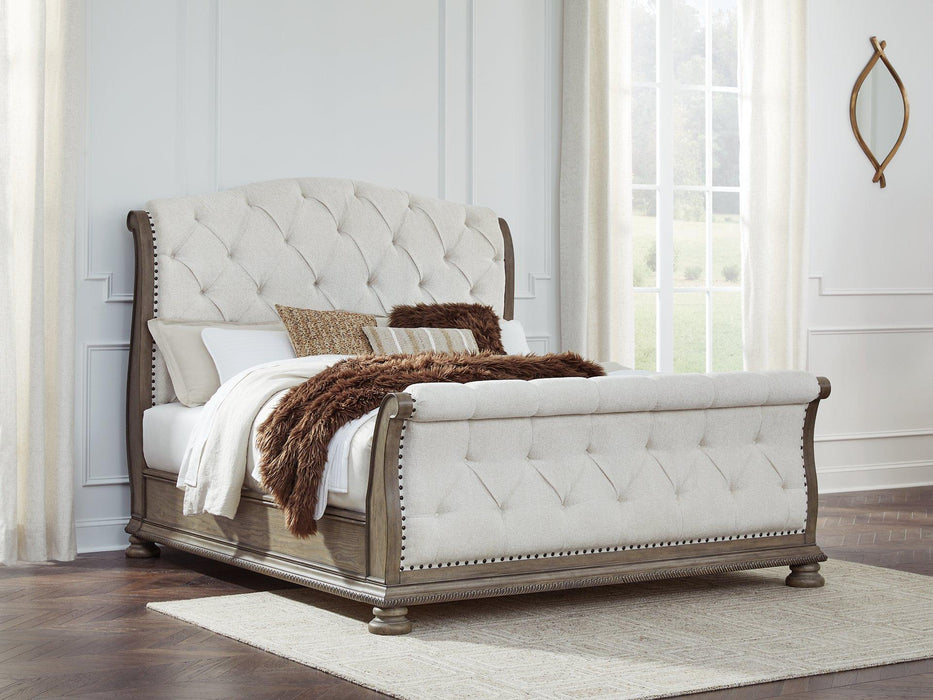
Soft, padded headboards can act as sound dampeners and provide physical comfort. Upholstered headboards in linen, cotton, or velvet feel cocooning, while light oak, pine, or maple frames bring warmth and a link to nature.
Avoid overly ornate, sharp, or very tall frames in small bedrooms. They can dominate the room. A simple oak frame may suggest Middle English cottage warmth, while a sleek platform bed suits many American English loft-style interiors.
The Mattress: Comfort Level That Matches Your Body
A relaxing room is impossible if the mattress is wrong. Ergonomic mattresses, such as memory foam or hybrid types, contour to the body and provide targeted spinal support to enhance sleep quality.
Medium-firm mattresses often work well for many sleepers, but body type and sleep position matter. Side sleepers may prefer more plush pressure relief, while back and stomach sleepers often need firmer support. A sleep medicine study found that mattress firmness can influence arousals and sleep quality. See this mattress and sleep study.
Common options include:
|
Mattress type |
Best calming benefit |
|---|---|
|
Memory foam |
Pressure relief and motion isolation |
|
Pocket springs |
Breathability and support |
|
Latex hybrid |
Bounce, durability, and temperature control |
Test mattresses in person when possible, and replace most mattresses every 7–10 years. Pair the mattress with cotton or linen bedding, so heat and moisture do not build up overnight.
For size, choose the largest bed that still leaves movement space. Aim for 60–90 cm, or about 2–3 feet, around the bed where possible. A queen or king bed is only relaxing if it does not make the room feel cramped.
Calming Bedside Tables: Function First, Then Style
Good bedside tables reduce visual clutter and keep nightly essentials within reach. Choosing furniture that minimizes visual clutter can help keep the atmosphere peaceful and reduce stress levels.
Use matching pairs if space allows, with tops roughly level with the mattress. Drawers hide chargers, medication, notebooks, and glasses. Open shelves feel lighter, but should not become display zones for every small object.
Finishes matter. Matte paint, light wood, soft curves, muted neutrals, soft blues, and greens all work well. Color choices in furniture, such as soft blues, greens, and neutrals, can significantly influence the calming effect of a bedroom.
In a small room, replace bulky nightstands with narrow wall-mounted shelves. This keeps the floor clear and makes the bed area feel more open.
Storage Furniture: Wardrobes, Dressers, and the Power of Hidden Clutter
Visible clutter is one of the fastest ways to destroy a relaxing atmosphere. Concealed storage is essential for promoting a calm bedroom atmosphere and eliminating visual clutter.
Choose wardrobes with full-height doors, integrated drawers, and quiet handles. Neutral painted finishes, pale wood, or soft grey tones help large storage pieces recede instead of shouting for attention.
Low, wide dressers or chests of drawers are often calmer than tall, narrow units. Their tops can hold one plant, a lamp, or a framed photo, while the rest stay tucked away.
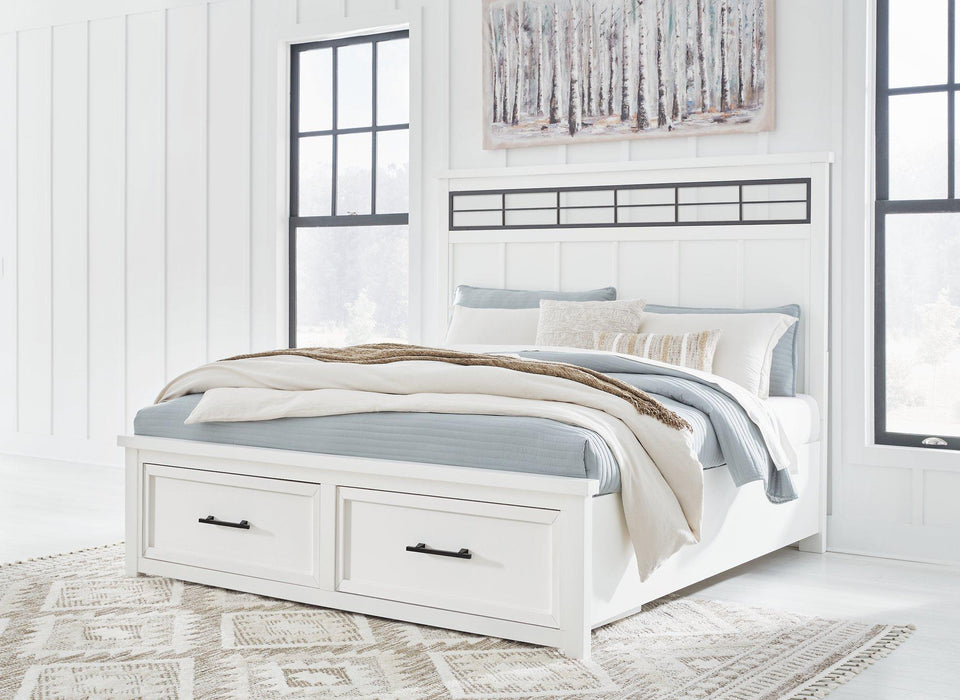
Under-bed drawers and lift-up bases are useful in small rooms. Incorporating multifunctional furniture, like storage beds or ottomans, can reduce clutter and enhance the tranquility of a space.
Freestanding wardrobes are common in older British homes, while built-in closets are more common in American homes. Both can feel peaceful if the fronts are simple, the color is calm, and the room is not overfilled.
Soothing Seating: Benches, Accent Chairs, and Window Seats
A single comfortable seat can turn a bedroom into a retreat from the busy world and give you a place to wind down. Use it for reading, putting on shoes, or winding down without screens.
Good options include an upholstered bench at the foot of the bed, a compact accent chair in a corner, or a cushioned window seat. Soft fabrics and supportive backs are more restful than slick, cold materials.
Keep colors muted and connected to the rest of the room. A lift-top bench is especially useful because it provides seating and hidden storage in one piece.
For example, a small armchair, slim floor lamp, and low side table can create a reading nook that signals the end of the day.
Night-Time Lighting Furniture: Lamps, Bedside Lights, and Soft Glows
Lighting is not always classified as furniture, but bedside lamps, sconces, and floor lamps are key relaxation pieces.
Use warm-white bulbs around 2700–3000K rather than cool, blue-toned lighting. Harsh light can keep the brain alert when you want the room to shift toward rest.
Table lamps with fabric shades diffuse glare. Wall-mounted sconces free up bedside table space. A slim floor lamp beside a chair creates a softer evening zone.
Incorporating adjustable lighting options in bedroom furniture can help create a soothing atmosphere conducive to relaxation. Dimmers or 2–3 brightness levels let the room move from practical to tranquil without a sudden change.
Materials and Finishes: Natural, Soft, and Easy on the Eyes
Furniture that promotes a calming atmosphere often includes soft, rounded shapes and natural materials, which can help create a serene environment.
Opting for natural materials like wood or cotton can enhance the calming effect of bedroom furniture. Solid wood, rattan, cane, linen, cotton, and wool feel grounded and less clinical than glossy synthetic finishes.
Use matte or lightly textured finishes instead of reflective gloss. Gloss can bounce light around the room and make surfaces feel busy.
Limit the palette to 2–3 main colors. Repeat them across the bed frame, bedside tables, wardrobe, and seating so the room feels coordinated rather than crowded.
Scale, Layout, and Proportion: Furniture That Lets You Breathe
Even beautiful furniture can feel stressful if it is too large or badly arranged. Measure first, then buy.
Aim for clear walking paths of 60–90 cm around the bed where possible. Choose fewer, better pieces instead of extra trunks, chairs, and tables that rarely get used.
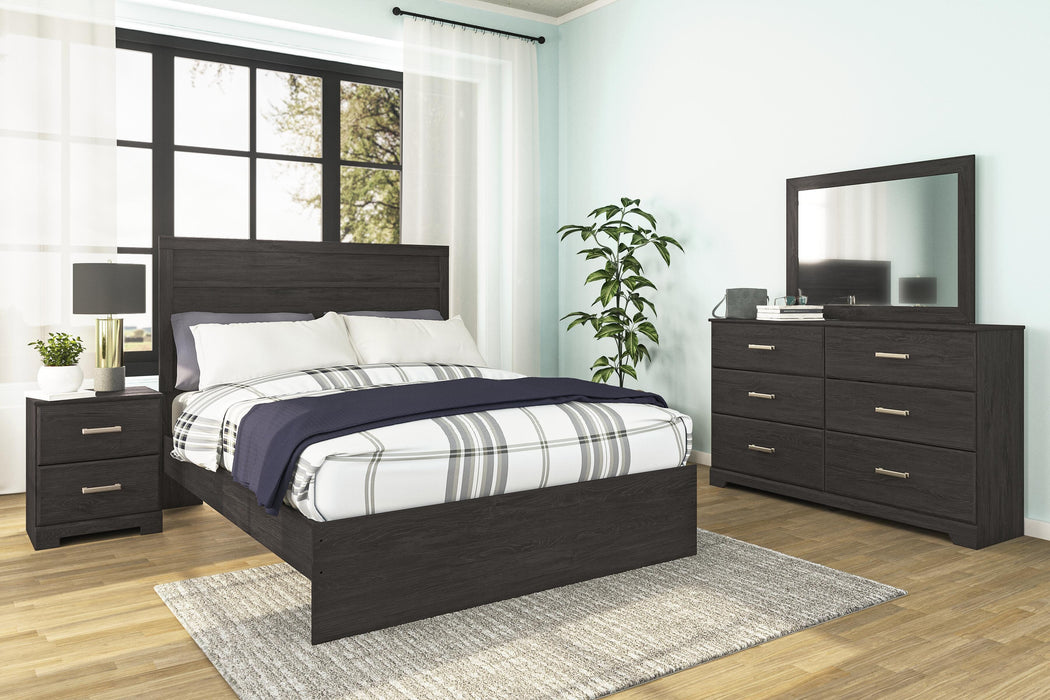
A small bedroom might work best with a low platform bed, floating bedside shelves, under-bed storage, and one narrow chest. A larger main bedroom can hold a centered bed, two nightstands, a wide dresser, and a quiet reading corner.
When entering the room, your eye should land on simple lines: a calm headboard, closed wardrobe doors, and clear surfaces.
Bridging British English and American English Bedroom Styles
British English and American English use different furniture words. A “chest of drawers” may be a “dresser,” a “wardrobe” may support a room with no closet, and a “divan bed” may offer storage similar to some platform beds.
Quick language note: In British English and American English, furniture words differ, but this is not a grammar lesson. If you watch the history of words, old english hwæt, english hwæt, middle english, german, greek, chinese, finnish, swedish, romanian, norwegian and other languages show how a pronoun can become an adverb, noun, exclamation, expression, idioms, or exclamatory expressions used to introduce specific information about identity, true nature, nature, meaning, definition, degree, matter, wealth, luck, money, doctors, more doctors, friends, a person, an unusual chap, a good book, or a splendid party.
Phrase examples such as hows and whats, elliptical constructions, prepositional phrase, prepositional phrase beginning, coordinate phrases, two coordinate phrases, adjectives, verbs, sentence, repetition, repeat, pronunciation, american english pronunciation, british character, obsolete synonym, unfriendly enquiry, express surprise, surprise, respect, job, story, description, additional possibilities, and crop rotation simply remind us that labels change. The idea is to introduce calm, not linguistic clutter.
So focus less on the words and more on the function: comfort, storage, simplicity, and scale. That difference matters more than whether a person desires a wardrobe, dresser, or built-in closet. The worst choice is always the one that adds clutter and does not create rest.
FAQs
How many furniture pieces should be in a relaxing bedroom?
Most relaxing bedrooms need a core set: a bed, a supportive mattress, two bedside tables, one wardrobe or closet, and one dresser or chest. Seating is optional.
Remove furniture that is not used weekly. Extra chairs often become clothing piles, which makes the room feel busier.
Is it better to match all bedroom furniture or mix different styles?
A full matching set can look calm, but it may feel flat. Mixing pieces can work if the color palette, wood tones, and shapes feel connected.
Choose one leading style, such as modern, rustic, or traditional, and let other pieces support it quietly.
Which bedroom furniture should I invest in first for better sleep?
Invest first in the mattress and bed frame because they directly affect comfort, support, and nighttime noise.
Next, choose bedside tables with useful storage. Decorative benches, accent chairs, and extra pieces can come later.
Can dark furniture still create a relaxing bedroom?
Yes. Dark woods or painted furniture can feel soothing when balanced with light bedding, pale walls, and warm lighting.
In small rooms, limit very dark, bulky pieces so the space does not feel heavy or cramped.
How often should I replace bedroom furniture for a calming environment?
Mattresses usually need replacing every 7–10 years. Solid wood furniture can last decades with care.
Before replacing everything, tighten hardware, clean upholstery, declutter drawers, and update smaller items like lamps or handles. Maintenance often creates more calm than constant buying.
Shop Now at J Patrick's Furniture for Bedroom Furniture
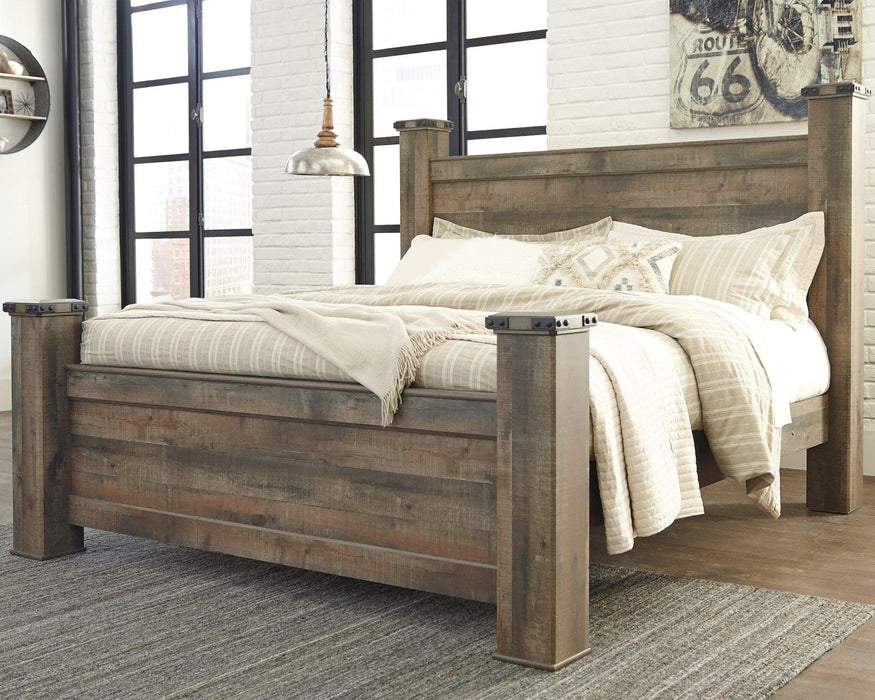
Shop now at J Patrick's Furniture and discover bedroom furniture designed to bring comfort, style, and functionality into your home. Whether you're furnishing a new bedroom or upgrading your existing space, our collection offers thoughtfully crafted pieces that help create a relaxing and well-balanced environment.
Get your bedroom furniture at J Patrick's Furniture today and explore a wide range of beds, dressers, nightstands, and storage solutions built for everyday use and lasting durability. With designs that suit both modern and classic tastes, you’ll find everything you need to build a bedroom that feels comfortable, organized, and inviting.