
When Living Room Furniture Can Increase Room Functionality
 The right living room furniture layout can turn a single space into a lounge, work zone, play space, and guest area without feeling cluttered or chaotic. It all comes down to strategic choices: how you arrange furniture, what pieces you select, and where you place them in relation to each other and the room’s architecture.
This article gives you practical, layout-based examples, from sofa and seating arrangements to storage pieces and multipurpose items, that you can copy in an average home or apartment. Functionality here means better traffic flow, more usable seats, smart storage, and furniture that adapts to everyday life from morning coffee to evening movie nights.

1. Define the Main Functions of Your Living Room First
Living room furniture can only increase room functionality when the room’s primary roles are crystal clear. Before you start shopping or rearranging furniture, ask yourself: what does this space actually need to do? Is it mainly for watching TV with the family? Hosting game nights? Working from home a few hours each day? Accommodating overnight guests?
Here are four common function profiles and how they shape furniture picks:
Families with young kids: This profile prioritizes toy storage, durable fabrics (look for materials rated for 10,000+ abrasion cycles), and open floor space for play. A storage ottoman replaces a sharp-edged coffee table, and a sectional with removable, washable covers makes cleanup easier.
Couples who host game nights: Extra seating matters here. Think two chairs flanking a sofa, a large coffee table that can hold snacks and board games, and lightweight stools that can be pulled out when friends arrive.
Work-from-home professionals: A small desk, secretary cabinet, or even a lift-top coffee table creates a dedicated work zone. Position this area near a large window for natural light and away from the main couch to mentally separate work from relaxation.
Frequent overnight guest hosts: A sleeper sofa or daybed turns the living room into a guest room overnight. Storage ottomans at the foot of the bed hold extra bedding, and side tables provide a spot for a guest’s phone and a water glass.
Each function profile leads to specific furniture pieces. A sleeper sofa versus a standard sofa, nesting tables versus a single large table, a storage bench versus a purely decorative one, these choices determine whether your room works hard or just looks nice.
2. Increase Functionality with Smart Seating Layouts
Seating layout directly drives functionality. The right arrangement supports conversation, TV viewing, reading, and casual lounging without requiring you to push furniture around daily. A poorly arranged living room setup forces people to shout across the space or crane their necks to watch tv, while a well-planned furniture layout makes every seat feel intentional.

The Conversation Circle
The classic conversation zone places seating pieces within about 8–9 feet of each other, close enough for easy talking without raised voices. Arrange living room furniture so a sofa faces two chairs across a central coffee table. Angle the chairs slightly inward, about 15 degrees, to create a welcoming, intimate feel rather than a rigid, formal one.
This furniture arrangement works in both a small living room and a larger room. In smaller rooms, scale down to a love seat plus one accent chair. In a larger space, add a second sofa or extra seating with accent seating options like upholstered stools.
Sectional L-Shape Layout
A sectional creates an L-shape that can face both a TV mounted on the fireplace wall and other seating, making it ideal for movie nights and casual lounging. Position the longer arm of the sectional along the long wall, with the shorter arm extending into the room to define the seating area without blocking circulation.
This layout works especially well when you have two focal points, say, a television and a large window with a view. The L-shape lets occupants easily shift attention between both.
Four-Chair Layout for Tight Spaces
In a very small space where a sofa would block circulation or make the room feel cramped, try four chairs arranged on a rug to form a square or circle. This creates enough room for walkways while providing ample seating. Place a smaller, round coffee table in the center to maintain flow.
Distance Guidelines That Matter
Keep your coffee table roughly 14–18 inches from the sofa and chair edges. This distance provides legroom while keeping drinks and remotes within arm’s reach. Interior designers often recommend leaving at least 30 inches for primary walkways between furniture pieces and walls or other obstacles.
One common mistake: pushing all seating against the walls. Pulling your main couch even a few inches off the wall creates a more intimate, functional conversation zone. Wall-hugging arrangements make rooms feel like waiting rooms rather than welcoming living spaces.
3. When Storage Furniture Transforms a Busy Living Room
Clutter is the enemy of functionality. Every toy left on the floor, every remote buried under magazines, every blanket draped haphazardly across the sofa reduces what your living room can actually do. Choosing storage-focused furniture pieces, rather than purely decorative ones, can double what your room handles without doubling its square footage.
Storage Ottomans
A storage ottoman hides blankets, games, toys, and seasonal items while serving triple duty as extra seating, a footrest, or (with a tray on top) a stable surface for drinks. Larger units offer up to 200 liters of concealed capacity. Place one in front of a sofa or at the end of a sectional for maximum accessibility.
Coffee Tables with Hidden Storage
Swap a standard coffee table for one with drawers, lower shelves, or a lift-top compartment. Remotes, chargers, coasters, and books disappear from view while remaining within reach. A large coffee table with a lower shelf can hold decorative baskets that corral everything from kids’ art supplies to video game controllers.
Media Consoles with Closed Cabinets
A media console with closed cabinets conceals electronics, cables, and media clutter. Open shelves above or beside closed sections let you display decorative items or store baskets for quick-grab items. This keeps the focal point credit-worthy; your eye goes to the TV or art above, not the tangle of cords below.
Vertical Storage Solutions
Slim wall-mounted shelves or tall bookcases use vertical wall space and free up floor space. In a living room with limited space, going vertical is often the only way to add storage without sacrificing the breathing room you need for traffic flow. Style shelves with a mix of books, plants, and closed storage boxes for a balanced look.
3 storage upgrades that add instant function this weekend:
-
Replace a decorative ottoman with a storage ottoman
-
Add a tray to any soft-top surface for stability
-
Install one floating shelf within arm’s reach of your main seating for remotes and reading glasses
4. Multipurpose Furniture: One Piece, Several Jobs
Multipurpose furniture is crucial for smaller homes, studio apartments, and any living room that needs to serve multiple roles. Instead of dedicating separate square footage to every function, one well-chosen piece handles several jobs.
Sleeper Sofas and Daybeds
A sleeper sofa or daybed transforms your living room into a guest room overnight. Modern versions support 300–500 pounds on sturdy metal frames and offer mattress options that score reasonably well on comfort scales. During the day, it’s your main couch; at night, it’s a bed. Look for mechanisms that convert in under five minutes without requiring you to move other furniture.
Nesting Side Tables
Nesting tables stack compactly against a sofa arm or in a corner, taking up minimal floor space. When guests arrive for a party, pull them apart to create multiple surfaces. Kids can use the smallest one for projects; adults can station drinks on the larger ones during gatherings. This adaptability makes them far more functional than a single fixed side table.
Lift-Top and Extendable Coffee Tables
A lift-top coffee table rises to dining or laptop height, turning your living space into a home office or casual dining area. Some models extend as well, providing a surface large enough for two people to work or eat comfortably. On a work-from-home day, pull up the lift-top, grab your laptop, and you have an ergonomic setup without a dedicated desk taking up wall space.
Benches Behind the Sofa
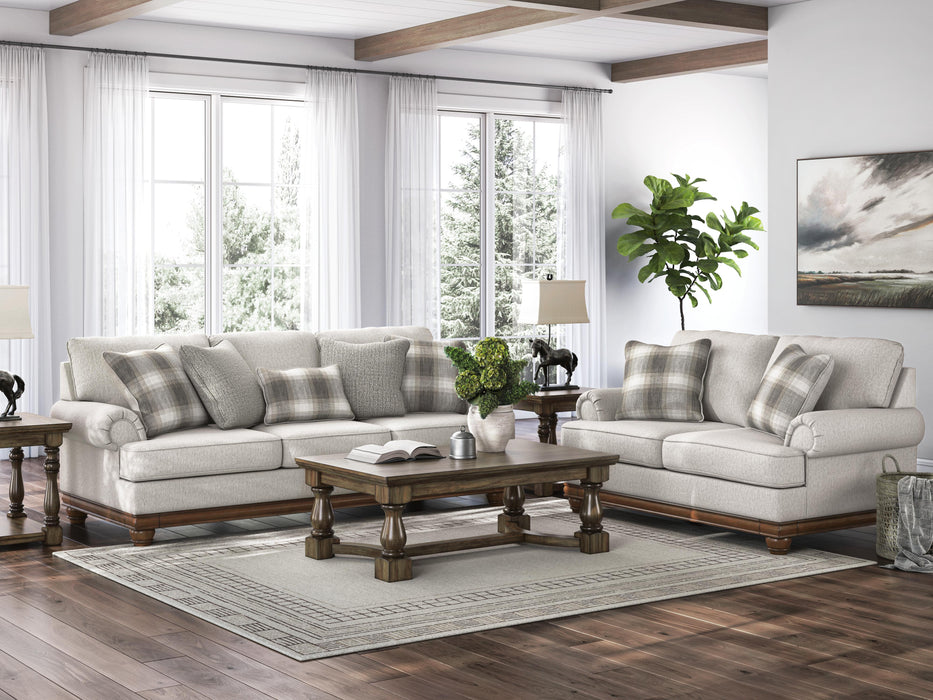
A bench positioned behind your sofa facing the room serves multiple purposes: extra seating during parties, a surface for a table lamp or task lighting, and storage space underneath for baskets holding throws or books. In open-plan layouts, a sofa with a bench behind it also helps define the seating area without blocking sightlines.
Real-Life Scenario
Consider a living room that functions as a children’s play area in the afternoon. Nesting tables are spread out for crafts, the storage ottoman is open for toy access, and the coffee table sits low. By evening, nesting tables stack and slide aside, the ottoman closes and receives a tray for snacks, and the lift-top coffee table rises for adults to enjoy wine and conversation. Same furniture, completely different room feel.
5. Zoning the Room: Rugs, Chairs, and Lighting as Functional Dividers
Separate zones make one living room feel like several distinct spaces: a reading corner, a TV area, a work nook, and an entry drop zone. You don’t need walls or room dividers to achieve this; furniture placement, area rugs, and layered lighting do the work.
Using Rugs to Define Zones
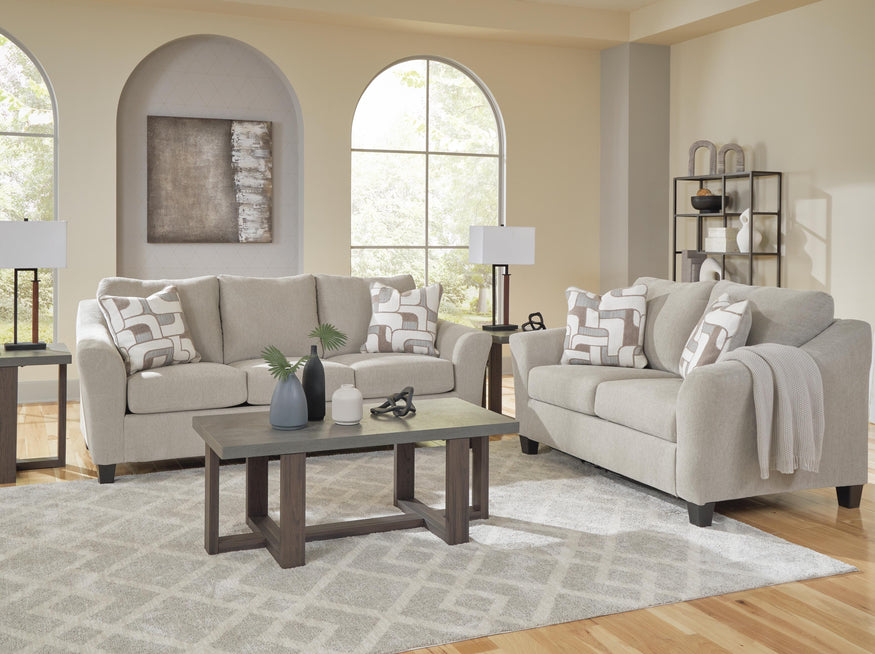
An area rug anchors a furniture grouping and signals “this is a zone.” Place one rug under your main seating group; all front legs of sofas and chairs should sit on the rug, or the entire arrangement should fit within its borders. A second, smaller rug under a reading chair and floor lamp creates a separate zone feel. Near the front door or a large opening to another room, a runner defines a mini entry zone or circulation path.
Keep walkways at least about 30 inches wide between zones so your furniture layout doesn’t turn the room into a maze. This is especially important in a small living room or when you have French doors or a large window that needs clear access.
How Lighting Reinforces Function
Lighting does more than illuminate; it signals how each zone should be used.
-
Task lighting: An adjustable floor lamp or swing-arm wall lamp beside a reading chair provides focused light for books or handwork. Position the light source at about 5 feet high for optimal reading angles.
-
Ambient lighting: A ceiling fixture or multiple table lamps on opposite wall positions make the main seating area usable from morning through evening. Overhead lighting at 8–10 feet height provides general illumination without harsh shadows.
-
Accent lighting: A picture light above a console or LED strip lighting inside bookshelves subtly signals different areas and adds depth to the room’s layered look.
Before and After
Imagine a living room where the sofa sits against one wall, a TV hangs on the opposite wall, and a single overhead fixture lights everything uniformly. Now pull the seating group together on a rug, add a reading corner in the awkward space by the other wall with its own set of lighting, and suddenly the room has two functional zones instead of one flat, undifferentiated open space. The furniture hasn’t changed, only the arrangement and the lighting, but the functionality has doubled.
6. Adapting Layouts to Room Size and Shape
Functional furniture choices shift depending on whether your living room is long and narrow, square and compact, or large and open-plan. What works in a larger room will overwhelm a small space, and vice versa.
Small Square Living Rooms
In a compact square room, scaled-down furniture prevents the space from feeling further. Swap a bulky three-seater for a love seat or apartment-sized sofa. Replace a large coffee table with a round one or a pair of upholstered stools that can slide under when not in use. Pull seating slightly away from walls, even six inches makes a difference, to avoid the “waiting room” effect where everything lines the perimeter.
Consider placing two couches in an L-shape or a sofa with a single accent chair opposite. This creates a conversation zone without requiring the room to accommodate massive sectionals. If you only have one window, position seating to take advantage of natural light without blocking it.
Long, Narrow Living Rooms
A long wall can feel like a bowling alley if you push furniture against only the wall surfaces. Instead, create two mini zones: a TV area at one end (sofa facing the television on the fireplace wall or solid wall), and a reading or desk area at the other. The sofa can float perpendicular to the long wall to visually divide space, with the same wall behind it serving as a backdrop for a console table.
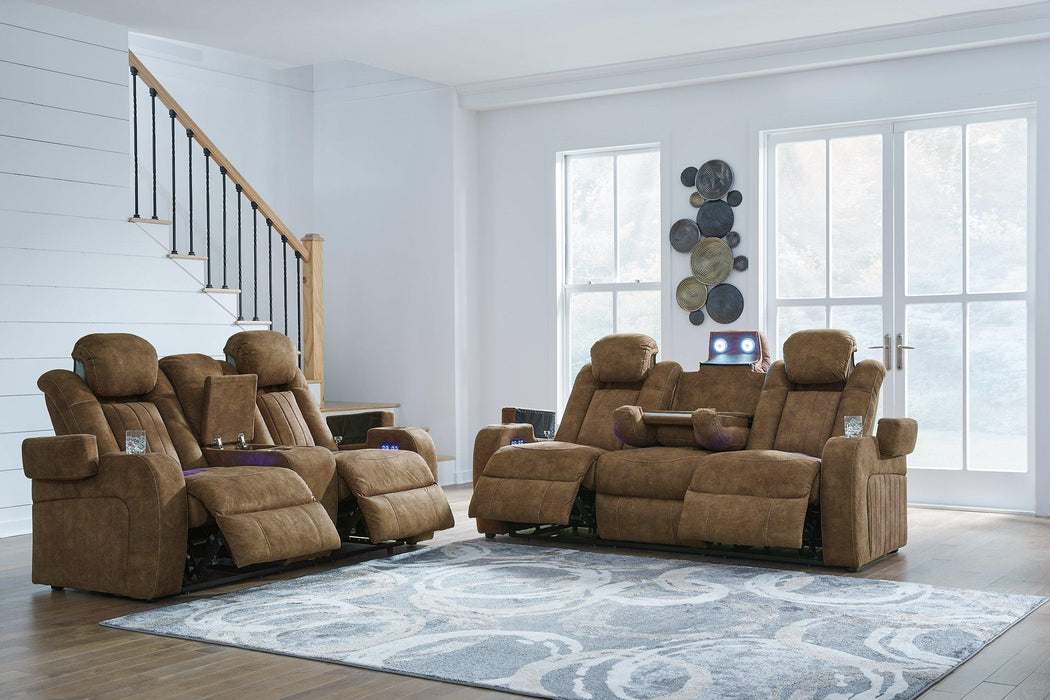
Align rugs with the primary traffic route running down the center, and keep at least 24–30 inches clear between sofa edges and other large furniture pieces for walkways. Avoid placing all seating pieces on two walls facing each other; this emphasizes the tunnel effect.
Large or Open-Plan Living Rooms
A larger space or open-plan combining living and dining room areas needs anchoring. Use a substantial rug and a large sofa to define the main seating area. Without this anchor, furniture can feel adrift. Then carve out secondary zones with additional seating, two sofas in an L, or a main couch plus two chairs forming a conversation grouping.
In a large living room, you have the luxury of separate zones: a dining area with its own rug and lighting, a conversation zone around the main seating, and perhaps a reading corner with a single chair and side table. The key is maintaining a visual connection between zones while giving each its own set of specific furniture and purpose.
Leave enough room between zones, and aim for high traffic areas to have at least 36 inches of clearance. A common mistake in larger rooms is spreading furniture too thin, which makes the space feel cold and disconnected rather than expansive and functional.
7. Function-First Styling: Accessories That Work Hard
Styling items can increase functionality, not just decorate. The right accessories turn awkward surfaces into usable ones and provide flexibility for changing needs.
Trays for Stability
Place a tray on an ottoman or soft-topped coffee table to create a stable surface for drinks, remote controls, and candles. Without a tray, drinks wobble and spill, and the surface becomes merely decorative. With one, you gain functionality equal to a hard-topped table.
Portable Stools and Poufs
Lightweight stools or poufs can migrate between zones as needed. Pull them out for extra guests during parties, push them under a console or beside the sofa when not in use. Kids can use them at a low table for crafts; adults can prop their feet up while reading. Their portability makes them infinitely more functional than fixed, heavy seating.
Side Tables at Arm’s Length
Position side tables within easy reach of seating so no one needs to lean awkwardly or stand up to put down a glass. The ideal distance is about 2–4 inches below or at the height of the sofa arm. In a larger space, use multiple side tables scattered strategically rather than relying on one central coffee table.
Small Accessories, Big Functional Impact:
-
Trays transform soft surfaces into stable ones
-
Baskets, corral blankets, and remotes, while adding texture
-
Poufs provide flexible seating that moves with the party
-
Throw pillows in contrasting sizes support both lounging and sitting upright
8. Putting It All Together: A Sample Functional Living Room Layout
Let’s walk through one specific, detailed example of a functional furniture layout in a typical mid-sized living room, roughly 15 by 18 feet, with a focal point on the last wall and an entry near the front corner.
The Main Seating Zone
A three-seat sofa faces the media console and TV, positioned on a large area rug that’s at least 8 by 10 feet. The sofa sits about 7–9 feet from the television, ideal for comfortable viewing. The sofa is pulled about 12 inches off the opposite wall to create breathing room and intimacy.
Conversation Grouping
Two matching chairs angle toward the sofa at about 15 degrees, creating a conversation zone. A round coffee table (about 36 inches in diameter) sits in the center, 16 inches from the sofa edge and equidistant from both chairs. This arrangement supports both TV watching and face-to-face conversation without rearranging furniture.
Back-of-Sofa Storage
A storage ottoman or upholstered bench sits behind the sofa, serving as extra seating when guests overflow the main arrangement. It also functions as a drop spot for bags and holds storage baskets underneath for blankets or books.
Reading Corner
In the back corner, away from the TV, a single lounge chair pairs with a small round side table and a floor lamp. This creates a dedicated reading nook, separate zones that feel intentional rather than like leftover space.
Entry Zone
Near the front door, a narrow console table with a runner beneath it defines a mini entry zone. Keys, mail, and bags land here rather than cluttering the main living space. A small mirror or artwork above signals this as a transition area.

When you define your room’s roles and choose furniture that can flex, store, and zone, your living room becomes more comfortable, organized, and ready for everyday life. Start by identifying your top two or three room functions, then evaluate which furniture pieces are working hard and which are just taking up valuable floor space. One strategic change, a storage ottoman here, a repositioned sofa there, can transform how your living room serves you.
Get Your Living Room Furniture at J Patrick’s Furniture Today

Your living room is the center of comfort, style, and everyday living. At J Patrick’s Furniture, our living room furniture collection features sofas, sectionals, chairs, and accent pieces designed to suit your space and lifestyle. Each piece is crafted for durability, comfort, and long-lasting quality, making it easy to create a living room that is both inviting and functional.
Explore our living room furniture selection today and find the perfect pieces to refresh your home. Whether you’re updating a single item or furnishing